
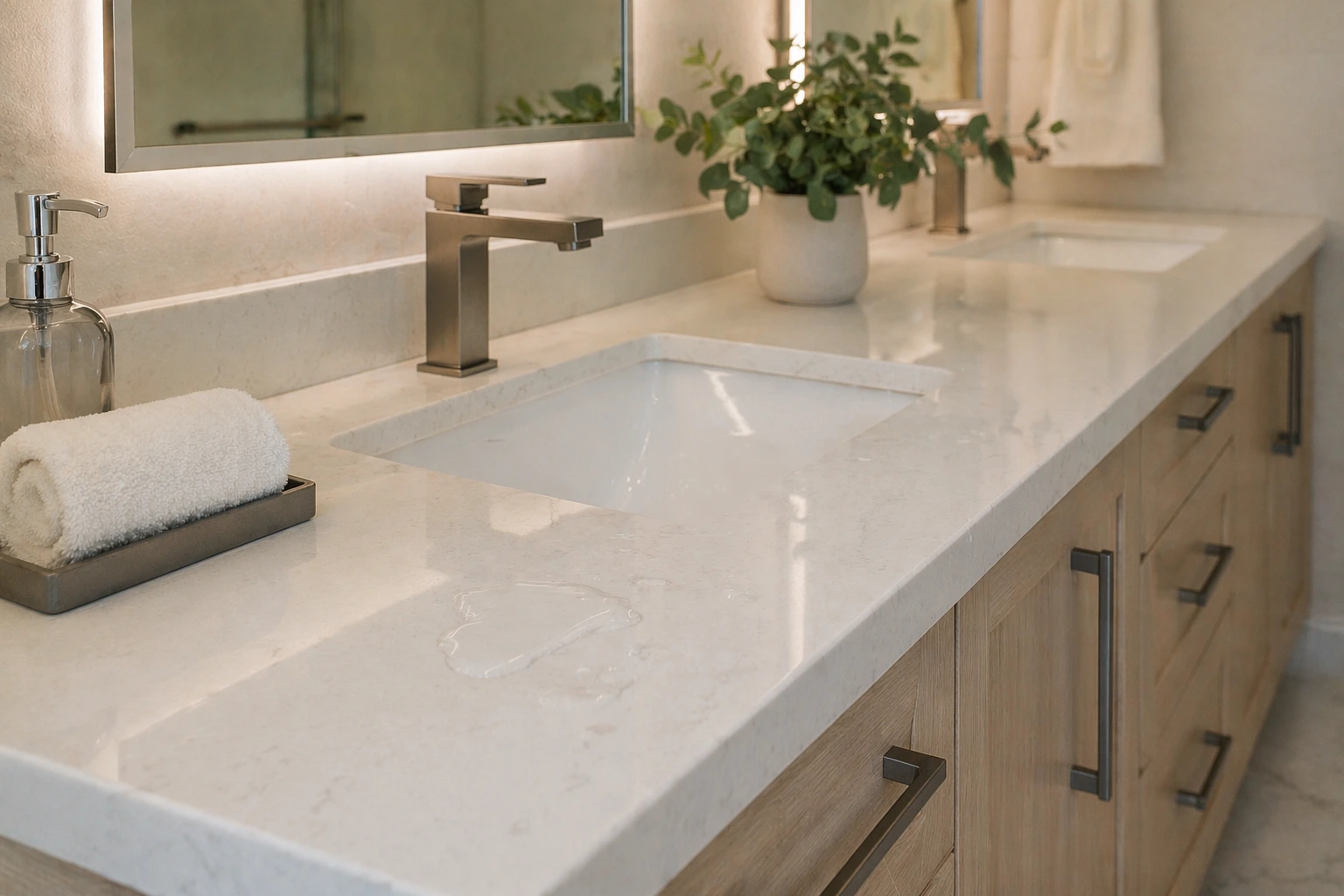
Countertop installation involves measuring, cutting, fitting, and securing surfaces like quartz, granite, laminate, and marble onto cabinets. It is a critical part of kitchen and bathroom remodeling that affects durability, functionality, and overall design.
At Bathroom Remodel RCA, we provide professional countertop installation in Riverside, CA. Our team handles material selection, precision fitting, sealing, and finishing to ensure long-term performance and a clean installation without alignment or sealing issues.
Choosing the right countertop material and installation method directly impacts cost, maintenance, and lifespan.
Book a Free Consultation to Discuss Your Project Needs!
Countertop installation costs vary based on material, size, and design choices, making it important to understand pricing before starting your project.
The average cost to install countertops ranges from $1,851 to $4,459. Most homeowners pay between $40 and $150 per square foot installed, depending on the material, size, and installation complexity.
Countertop prices vary significantly based on the material you choose. Laminate countertops are the most budget-friendly, typically costing $25 to $50 per square foot installed. Solid surface options like Corian range from $50 to $100 or more. Granite usually costs between $75 and $150+, while quartz ranges from $100 to $250+. Premium materials like quartzite and marble also fall between $100 and $250+ per square foot installed, depending on quality and finish.
Several factors influence the final installation cost. The type of material plays the biggest role, with quartz and natural stone costing more than laminate. The total size and square footage increase both material and labour costs. Custom edge designs and finishes add to the price, while complex installations require more time and expertise. Cabinet leveling and surface preparation can also impact the overall budget.
Material selection defines countertop performance, cost, maintenance requirements, and installation complexity. Different countertop materials vary in durability, porosity, heat resistance, and long-term maintenance, making material choice the primary decision factor in countertop installation.

Quartz countertops are engineered surfaces made from crushed stone and resin. They are non-porous, resistant to stains, and do not require sealing. Quartz offers consistent patterns, strong durability, and low maintenance, making it suitable for both kitchens and bathrooms.
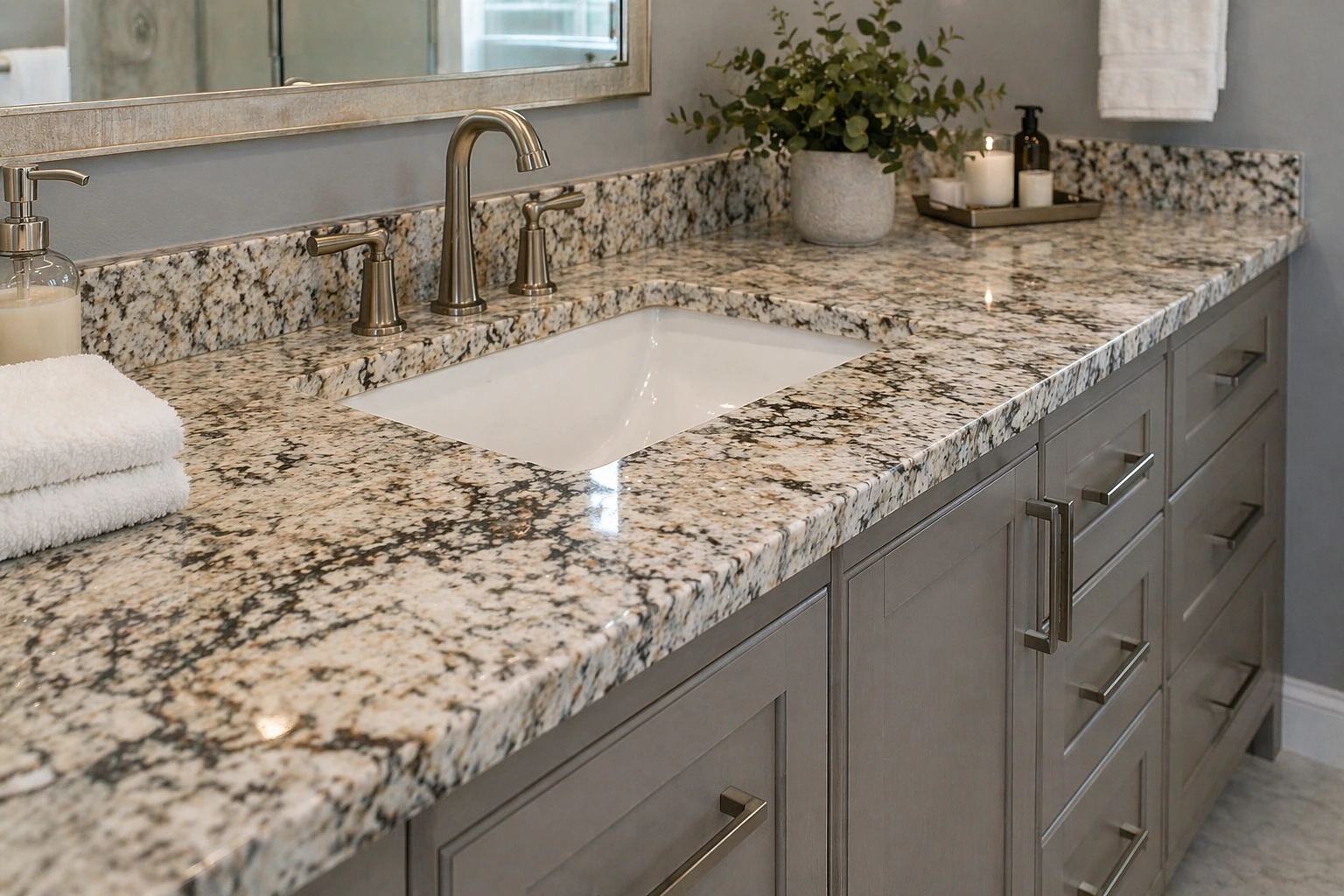
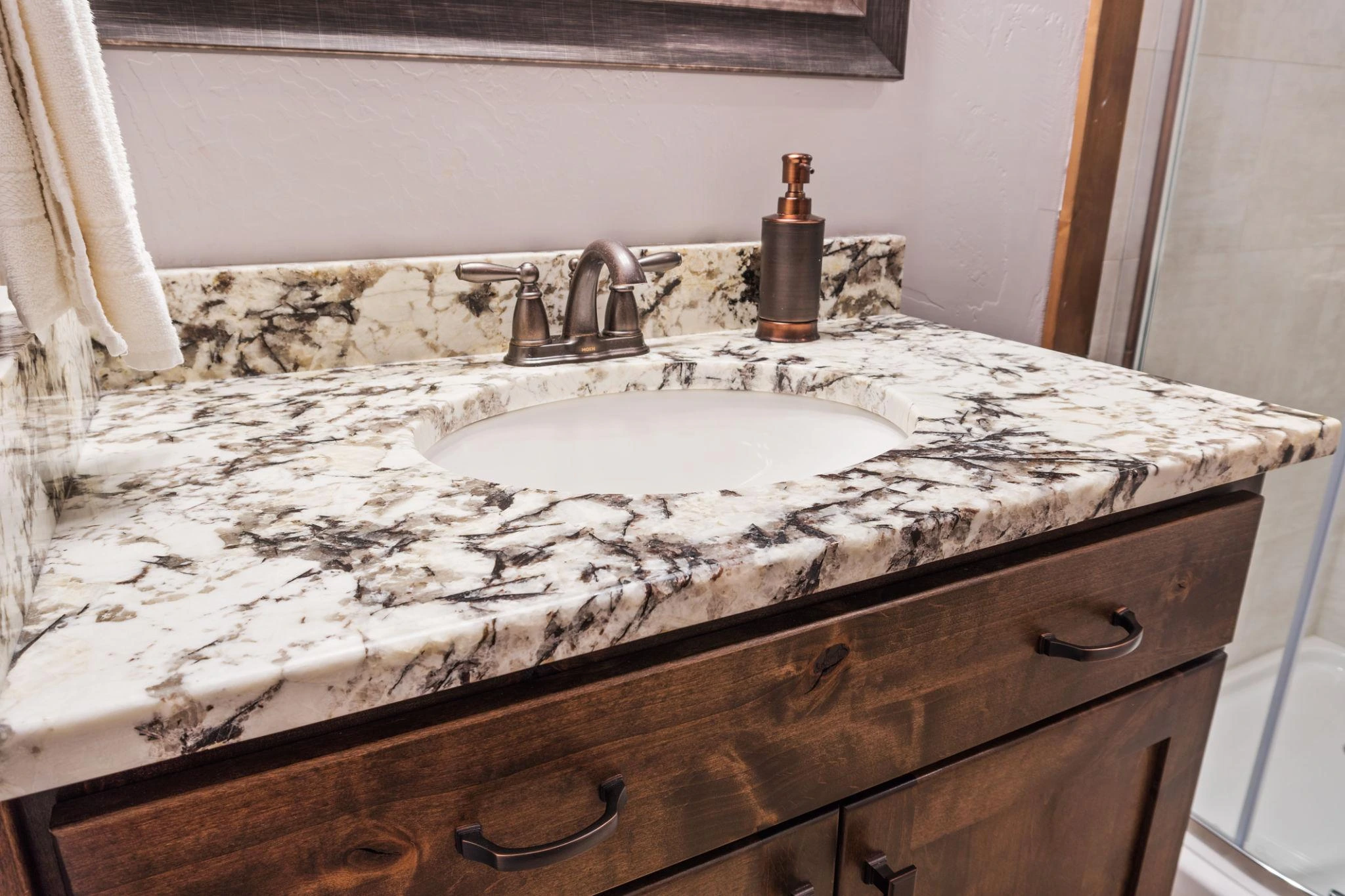
Granite countertops are natural stone surfaces with unique patterns and high heat resistance. They are durable but porous, which requires periodic sealing to prevent stains and moisture absorption. Granite is commonly used for high-use kitchen surfaces.
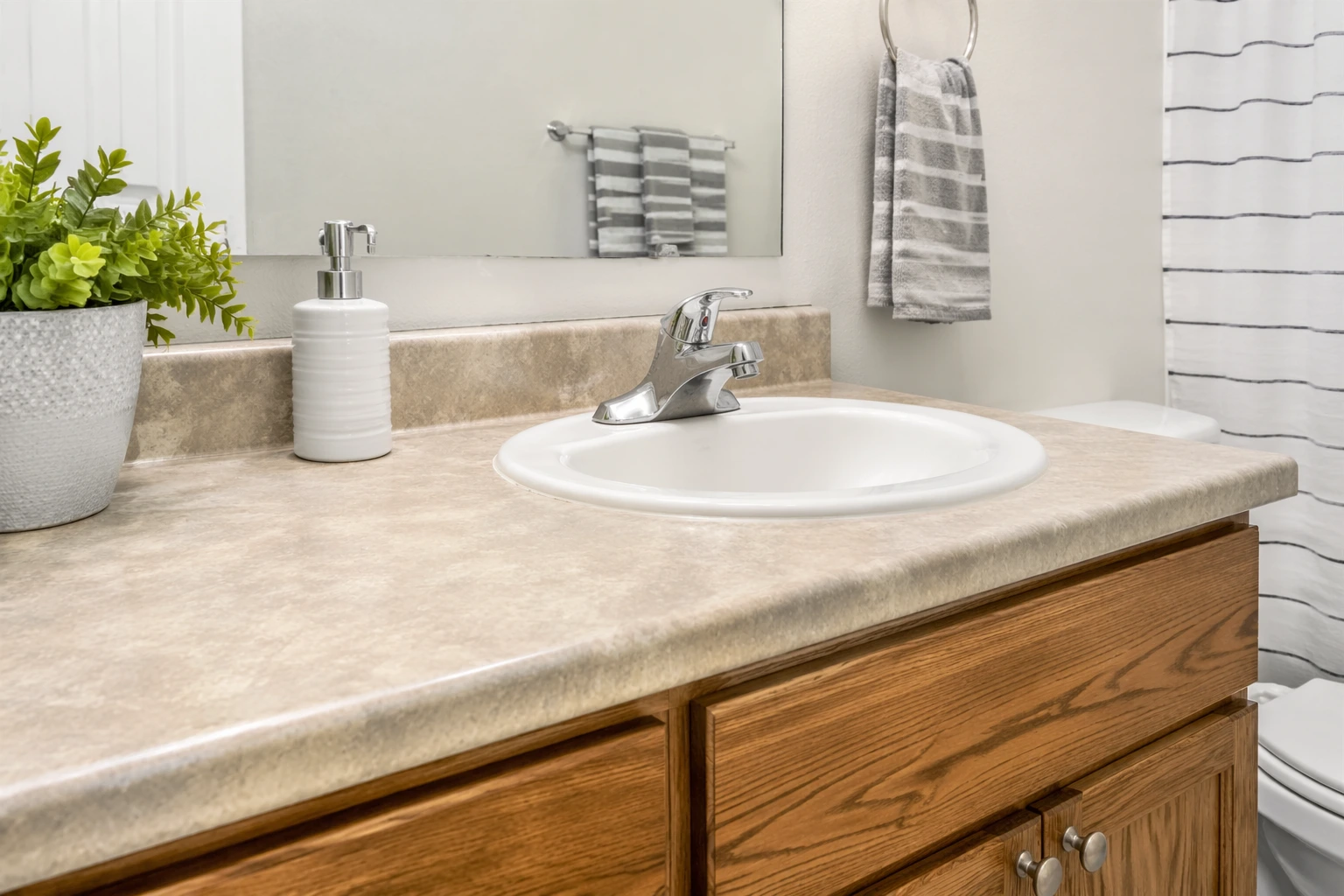
Laminate countertops consist of a decorative surface layer bonded to a particleboard base. They are lightweight, cost-effective, and easy to install. While they offer design flexibility, they have lower heat and scratch resistance compared to stone materials.
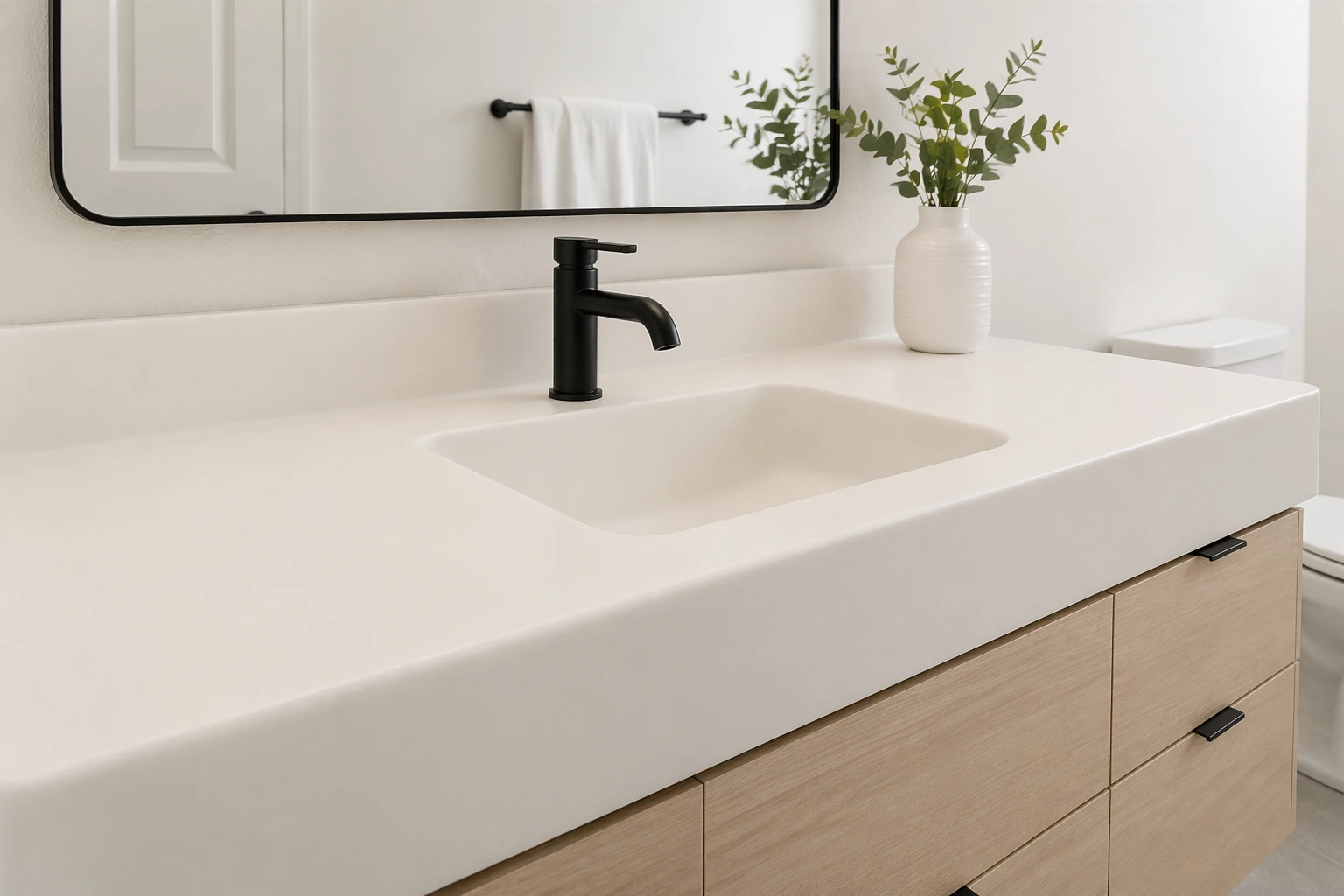
Corian countertops are solid surface materials made from acrylic resin. They provide a seamless appearance, are easy to repair, and offer moderate durability. Corian is less porous than natural stone and does not require sealing.
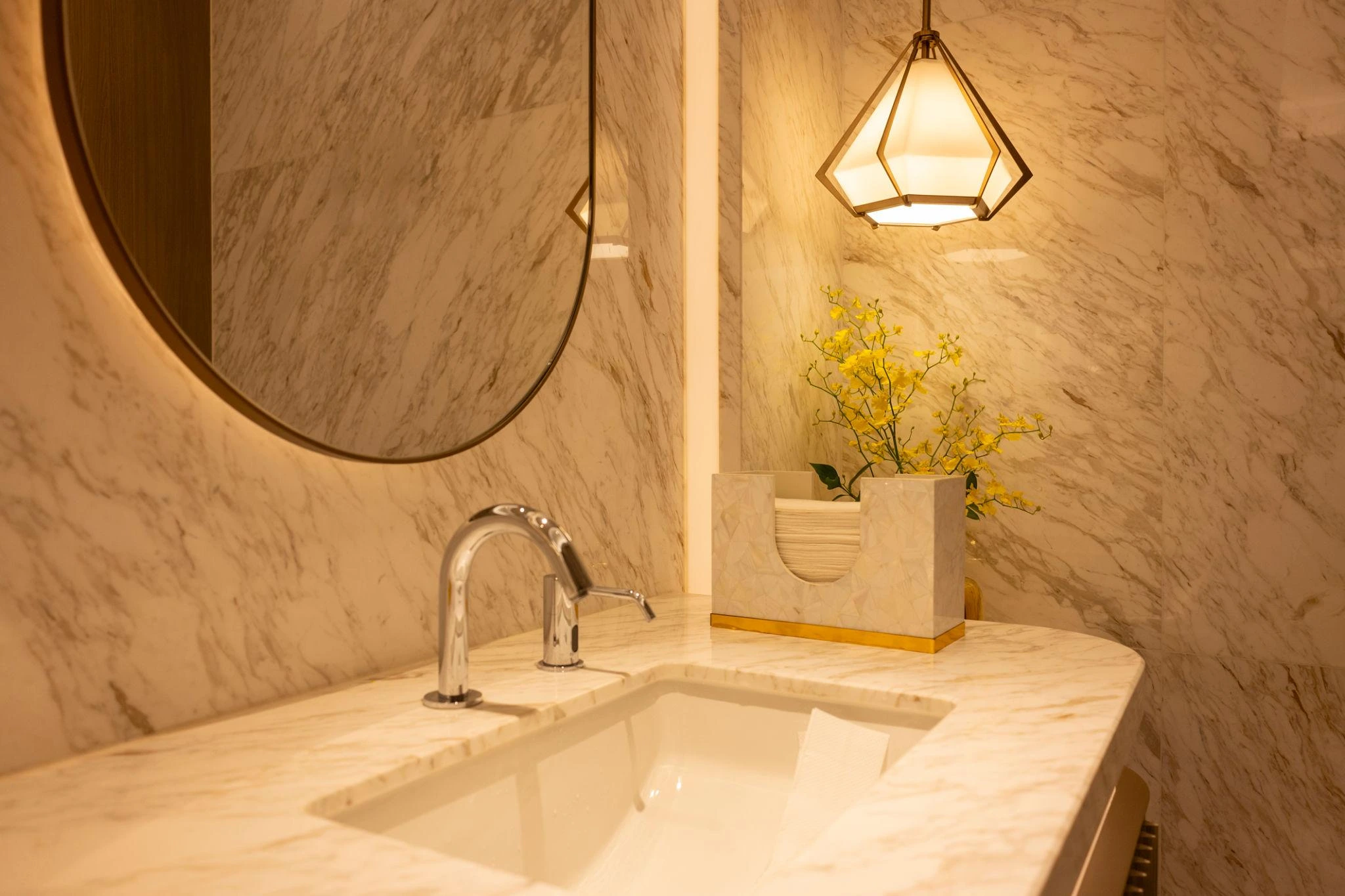
Quartzite countertops are natural stone surfaces formed under high pressure, offering higher hardness than granite. They provide a marble-like appearance with better durability. However, they are porous and require sealing for long-term performance.
Marble countertops are natural stone surfaces known for their veining and premium appearance. They are softer and more porous than other stone materials, making them more prone to stains and scratches. Regular sealing and maintenance are required.
Countertop installation follows a structured sequence that connects measurement, material preparation, cabinet support, surface fitting, and finishing. Each step affects alignment, seam quality, sink placement, and long-term durability. Accurate installation is especially important for heavy materials such as quartz, granite, quartzite, and marble, which depend on level cabinet bases and precise fitting.
The installation process starts with measuring the countertop area and creating a template based on cabinet layout, wall shape, and sink position. This step determines material quantity, cutout placement, seam locations, and edge alignment. Inaccurate templating leads to poor fit, visible gaps, and wasted material.
The selected countertop material is cut according to the template, including openings for sinks, faucets, cooktops, or accessories where needed. Cutting methods vary by material. Laminate is easier to trim and shape, while quartz, granite, quartzite, and marble require specialised cutting tools and careful handling because of weight and breakage risk.
Base cabinets must be level, structurally secure, and properly aligned before the countertop is installed. Countertops sit on cabinets, so any unevenness in the cabinet base can create stress points, poor seam connections, and long-term cracking or instability. This step is critical for stone countertops because heavier surfaces require stronger support.
After preparation, the countertop is dry-fitted, aligned to the cabinet base, and checked for wall contact, overhang, seam fit, and sink position. Once alignment is confirmed, the surface is secured using adhesive, fasteners, or material-appropriate attachment methods. Attachment method depends on the countertop type and support requirements.
At this stage, the bathroom begins to take its final form. Vanities, sinks, toilets, bathtubs, showers, lighting fixtures, and storage units are installed according to the design plan. Each component must be properly aligned and securely fitted to ensure functionality and long-term use. This step defines both the usability and overall appearance of the space.
Many homeowners ask: how long does a bathroom remodel take? The answer depends on project complexity and materials.
Heavy materials like granite and quartz require professional handling due to weight and precision requirements
Avoiding these mistakes helps prevent costly repairs, poor fitting, and long-term damage to your countertops.
Delays may occur due to material availability or custom fabrication.
The average countertop installation cost is $1,851 to $4,459, depending on material, size, and labour. Most projects are priced between $40 and $150 per square foot installed.
Yes, you can install countertops yourself if using lightweight materials like laminate. For heavy materials like quartz or granite, professional installation is recommended to avoid damage and ensure proper fitting.
Laminate countertops are the cheapest option, typically costing $25 to $50 per square foot installed. They are lightweight, easy to install, and suitable for budget projects.
Countertops are usually attached using adhesive, screws, or a combination of both, depending on the material. Quartz and granite are often used with epoxy and mechanical support for stability.
Yes, hiring a professional is recommended for stone countertops like quartz and granite. Professionals ensure proper cutting, alignment, and sealing, reducing the risk of cracks and installation errors.
Get a free consultation with Bathroom Remodel RCA.
We help you choose the right material, calculate cost, and complete installation with precision.
Upgrade your kitchen or bathroom with durable, modern countertops built to last.